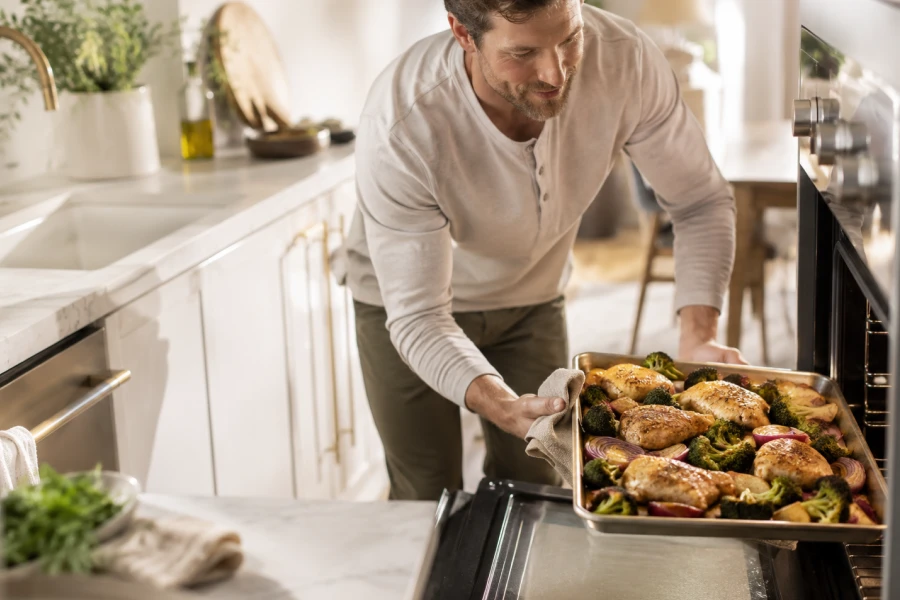
Weeknight one-pan meals offer a practical answer to the part of dinner that most people enjoy least: the cleanup. When ingredients cook together in one skillet, tray, baking dish, or pot, the meal becomes easier to manage from start to finish. That does not mean the food has to feel basic. One pan can hold deep flavors, contrasting textures, and enough variety to make dinner feel complete. The secret is choosing formats that allow ingredients to cook in stages without creating extra work. A simple sequence can turn everyday staples into something satisfying and flexible. These meals work especially well when schedules are busy, dishes are already waiting, and energy is limited. With the right approach, fewer pans can mean more room to enjoy the evening.
Cooking at home becomes easier when the process does not create a larger task afterward. One-pan meals reduce the number of dishes, utensils, and surfaces that need attention. That matters on nights when you want dinner without the feeling of a project. A skillet pasta, tray roast, baked grain dish, or quick braise can provide a satisfying meal with a contained cleanup. This approach leaves more space for relaxing after dinner. It also makes home cooking more appealing when takeout feels tempting. The simpler the recovery from a meal, the more likely you are to repeat it. Ease is part of what makes weeknight cooking sustainable.
A good sequence keeps ingredients from overcooking while preserving the single-pan promise. Begin with anything that needs browning, then add vegetables, grains, liquids, or sauces according to how quickly they cook. Finish delicate ingredients later so they stay fresh and appealing. This does not require complicated timing. It only requires a basic sense of what needs more heat and what needs less. A well-paced pan makes dinner feel organized even when the recipe is flexible. Once you understand the sequence, you can make smarter substitutions. The pattern becomes more useful than memorizing one specific dish.
You do not need a large kitchen collection to make one-pan dinners work. A sturdy skillet, a sheet pan, a baking dish, and a pot with a lid can cover most formats. Each one supports a different kind of meal. Skillets work well for quick sauces and sautés, sheet pans create roasted edges, and covered pots are useful for grains or braises. Knowing what each pan does best helps you choose a dinner style faster. It also prevents unnecessary purchases. A small set of dependable tools can support a wide range of meals without crowding the kitchen.
One-pan cooking is naturally flexible because the format can handle different proteins, vegetables, and starches. You can swap chicken for beans, broccoli for green beans, or rice for a small pasta shape depending on what is available. The important part is keeping the cooking times compatible. This flexibility reduces food waste and makes grocery shopping easier to manage. It also helps build homey meal planning around what you already own. A good one-pan format adapts to the pantry, the season, and the week’s budget. That is why it becomes so useful over time.
Even simple meals feel more exciting when the pan creates contrast. Roast vegetables until their edges caramelize. Let a layer of rice become lightly crisp at the bottom. Brown a protein before adding sauce, or finish a bake under higher heat for a golden top. These small choices add character without introducing more dishes. Texture can make ordinary ingredients feel more satisfying and restaurant-like. It also helps one-pan meals avoid the soft, uniform feeling that sometimes comes from cooking everything together. A little attention to heat creates more depth with very little extra effort.
Cleanup becomes easier when it is considered during cooking instead of after dinner. Line a sheet pan when appropriate, wipe spills as they happen, and let the cooking pan soak while everyone eats. Keep a small bowl nearby for scraps and packaging. These habits take seconds but prevent the kitchen from feeling overwhelming later. One-pan formats are especially helpful because the main mess is contained from the start. Use simple dinner rhythm ideas to make the final steps feel automatic. A calm cleanup helps dinner end on a better note.
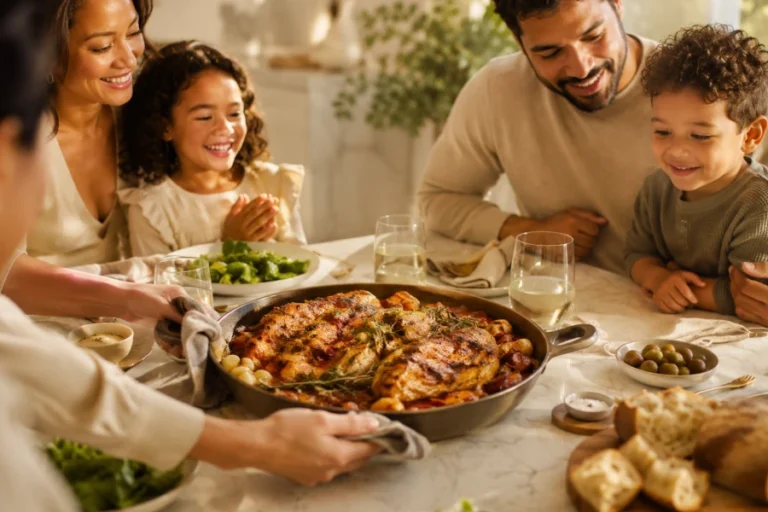
Weeknight meals do not need elaborate styling to feel inviting. A clean table, water within reach, and one simple side can be enough. Serve the main dish directly from the pan when that feels practical and safe. This reduces extra plates and makes the meal feel casual in a good way. Add a spoon, a topping, or a fresh element that lets people personalize their servings. These details make dinner feel considered without slowing anything down. The goal is a table that supports the meal, not a separate project that creates more work.
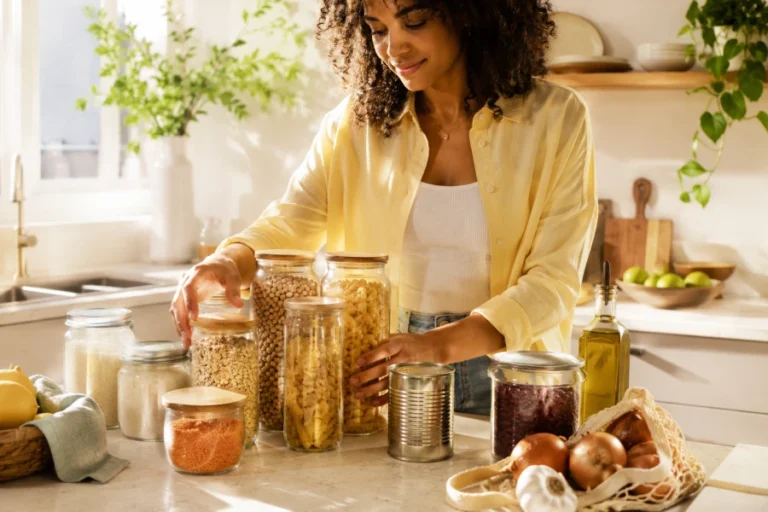
Plans change quickly during the week, and dinner should be able to change with them. Keep a few flexible ingredients on hand, such as frozen vegetables, canned beans, grains, broth, and sauces that work across several meals. Then use the one-pan format as a structure rather than a strict recipe. This makes it easier to cook when fresh ingredients are limited or when you need to use something soon. A few adaptable combinations can become your fallback plan on hectic nights. Flexibility builds confidence because you know dinner can still happen even when the day does not go smoothly.
The best weeknight meals are the ones you can make again without feeling bored or overwhelmed. Rotate a few formats and change the flavors according to season, mood, and what is available. A tray bake can become Mediterranean, smoky, herb-forward, or gently spicy. A skillet can move between pasta, grains, beans, and vegetables. These variations make repeat cooking feel fresh. They also support kitchen confidence because each dinner teaches a useful pattern. Over time, fewer dishes and more flexibility become a routine worth keeping.

Leave a comment