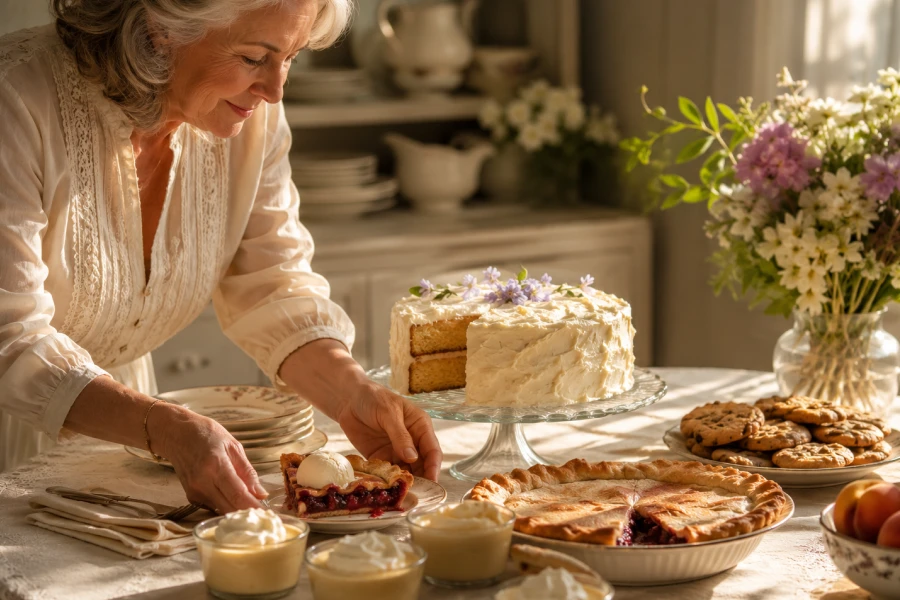
A nostalgic dessert menu does more than end a meal with something sweet. It creates a feeling people recognize before they can explain it. A certain fruit filling, buttery crust, whipped topping, or chilled pudding can bring back summers, family gatherings, school celebrations, and favorite local bakeries. The strongest menus use those emotional cues with intention instead of simply repeating old recipes. They pair familiar flavors with thoughtful contrasts, appealing portions, and a clear mood. That balance lets a dessert table feel personal without becoming predictable. Whether you bake for clients, friends, or your own creative projects, memory can become a useful source of direction. The result is a menu that feels warm, specific, and easy for people to remember long after the plates are cleared.
Start by deciding what kind of memory you want the desserts to evoke. You may be drawn to a backyard birthday, a vintage diner, a holiday kitchen, or a bakery counter from childhood. That emotional direction gives the menu a clearer purpose than choosing recipes at random. Once the feeling is established, colors, textures, flavors, and serving styles become easier to choose. A bright fruit pie tells a different story than a chocolate pudding cup. Both can feel nostalgic, but they should not compete for the same emotional space. Let the mood guide your early choices. The menu will feel more cohesive when every dessert supports the same kind of memory.
Choosing an era does not mean recreating a historical table with exact precision. It simply gives your creative decisions a useful filter. A mid-century-inspired spread might lean into molded desserts, buttercream, cherries, and neat portions. A late-summer family reunion mood may call for cobblers, icebox cakes, and fruit-forward treats. Use vintage baking inspiration to explore which details feel genuinely appealing. Then choose only the elements that support your own point of view. The most memorable menus borrow a spirit rather than becoming a costume. A focused era helps familiar desserts feel curated instead of scattered.
Nostalgia often begins with texture and aroma before it begins with appearance. Think about a crisp graham cracker crust, warm cinnamon, glossy fruit filling, toasted coconut, or a soft whipped topping. Those sensory details can make a modern dessert feel instantly recognizable. Choose one or two signature textures for the menu so each item has a place. A creamy dessert can sit beside something crisp. A rich cake can be balanced by a chilled fruit option. This attention to contrast makes the table more enjoyable to eat from, not just look at. Familiarity becomes stronger when the desserts offer a range of small pleasures.
Every item should not be equally rich, equally sweet, or equally elaborate. A well-shaped dessert spread uses contrast to keep the experience interesting. Pair a buttery cake with a tart fruit square. Add a cool, creamy dessert next to something warm and crisp. Include one simple option that feels quietly comforting. These choices create throwback dessert pairings that feel satisfying from the first bite through the last. Variety also makes it easier for guests to choose something that suits their mood. Balance is what lets sentiment feel generous rather than heavy.
The best serving size depends on how the desserts will be enjoyed. A large celebration may call for handheld bars, cookies, or small cups that guests can carry easily. A smaller dinner might feel better with plated slices and a shared cake. Consider the pace of the event before choosing the format. Nostalgia does not need to mean oversized portions or endless abundance. Sometimes a small, carefully presented dessert creates the stronger emotional response. Think about whether people will be standing, sitting, mingling, or returning for a second taste. The format should make that moment feel easy.
Classic flavors become more interesting when they receive one thoughtful update. Lemon can gain depth from herbs, chocolate can meet a hint of spice, and banana can become elegant with caramelized notes. The goal is not to make the original unrecognizable. It is to let people notice something new inside a familiar experience. A retro-inspired dessert menu builder can help you map those ideas before baking begins. Choose changes that support the original feeling rather than distracting from it. A small twist often has more impact than a total reinvention. That restraint keeps nostalgia at the center of the table.
Presentation matters because people begin experiencing a dessert before they taste it. Pick a simple visual detail that appears throughout the menu, such as a repeating fruit color, scalloped edges, delicate glassware, or a soft pastry finish. This detail does not need to be elaborate. It simply creates a quiet connection between separate desserts. Keep the styling practical enough that it does not interfere with serving. A beautiful table should still feel welcoming and easy to approach. The goal is warmth, not perfection. When the visual language matches the flavor story, the whole menu feels more intentional.
Pairings can deepen the emotional effect of a dessert table. Serve coffee, tea, sparkling fruit drinks, or milk-based beverages that match the mood of the sweets. A citrus cake may feel brighter with tea, while a chocolate pudding dessert can become more comforting beside strong coffee. These moments of connection make the meal feel layered rather than rushed. Thoughtful beverages also help guests enjoy richer desserts at an easier pace. A menu feels more complete when the sweets belong to a larger ritual. The details do not need to be complicated. They simply need to feel like they belong together.
Sentiment is strongest when it does not become too literal. Include one unexpected item that still fits the flavor story, such as a playful cookie, a lighter fruit dessert, or a modern take on a familiar favorite. This gives people something new to talk about while keeping the menu grounded in recognition. It can also become the detail guests remember most clearly. Use memory-driven baking as a starting point, then leave room for your own instincts. The best nostalgic desserts feel personal because they connect the past to the present. Familiar does not have to mean unchanged.

Leave a comment