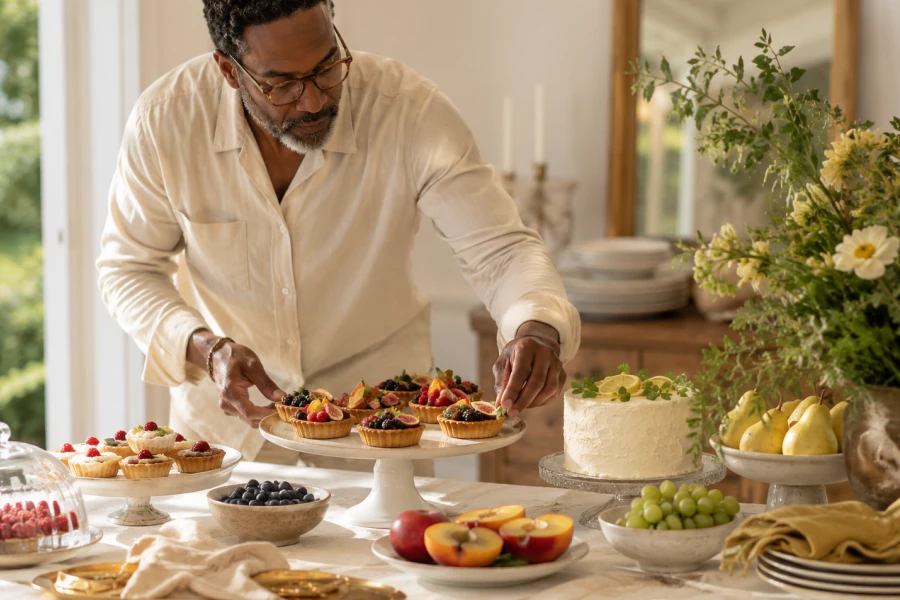
Vintage dessert planning creates a stronger table when every sweet has a reason to be there. Rather than assembling random treats, you can shape an experience around shared memories, appealing contrasts, and a clear visual mood. The most successful vintage-inspired menus feel welcoming because people recognize the flavors even when the presentation feels new. A buttery cake, fruit dessert, custard, or cookie can carry a sense of familiarity across generations. Planning helps those elements work together instead of competing for attention. It also gives bakers more confidence because shopping, prep, and serving decisions become easier to organize. The goal is not to recreate another decade exactly. It is to build a dessert table that feels grounded in comfort, personality, and meaningful detail.
A thoughtful menu begins with editing. Choose a limited number of desserts that work together in flavor, texture, and mood. Too many unrelated options can make even beautiful baking feel scattered. Instead, decide whether the table will lean bright and fruity, rich and chocolate-forward, gently spiced, or softly creamy. This creates a useful boundary for later choices. A focused menu also keeps shopping and preparation more manageable. You can reuse ingredients across recipes and reduce waste. Planning does not remove spontaneity. It gives your creative ideas a clearer place to land.
Recognition makes people feel welcome at a dessert table. Begin with one or two flavors that are easy to understand, such as lemon, chocolate, strawberry, vanilla, apple, or caramel. Then decide how you want to interpret them. A familiar filling may appear in a different crust, a classic cake may receive a modern finish, or a childhood cookie may become part of a more polished dessert. Use signature dessert selection to identify which treats deserve the most attention. Familiarity creates trust, allowing your more inventive details to feel exciting rather than intimidating.
Think about the dessert table as a small collection of roles rather than a list of recipes. One item can be rich and celebratory, another can be refreshing, and another can provide a crisp or playful contrast. This approach helps you avoid repeating the same experience several times. A creamy pudding, for example, may need something bright or crunchy nearby. A dense cake can be balanced by fruit or a lighter mousse. Roles also make portion decisions clearer. When every dessert offers something different, guests are more likely to enjoy a full tasting experience instead of choosing only one familiar option.
Old-fashioned desserts often celebrate abundance, but a modern menu benefits from balance. Include at least one dessert that feels fresh, chilled, or fruit-forward beside richer baked items. This lets guests choose according to appetite and keeps the table enjoyable after a substantial meal. Bright flavors can also make classic recipes feel more contemporary. A tart berry layer, citrus cream, or gently salted crust may provide exactly the lift a rich dessert needs. Balance does not mean removing comfort. It means creating room for comfort to feel good from the first bite through the last. Variety makes indulgence more enjoyable.
Shared ingredients make planning more efficient and reduce unnecessary spending. Choose recipes that use overlapping fruits, dairy elements, spices, or baking basics. One carton of cream, one fruit variety, or one cookie base can support several desserts when used creatively. This approach also makes preparation easier because ingredients appear in a predictable rhythm. It is especially useful for smaller events, where buying separate components for every recipe can create waste. A well-built menu should feel abundant without requiring a wildly different ingredient list for each dessert. Repetition creates cohesion in both flavor and budget.
Some desserts need to chill overnight, while others are best served soon after baking. Map out those timing needs before finalizing the menu. Choose a mix of make-ahead items and one or two last-minute elements so the preparation day stays manageable. A chilled pudding, pie, or cookie can be finished early. A warm cobbler, crisp topping, or whipped cream garnish can happen closer to serving. This strategy protects your energy and gives the final table a fresher feel. Good timing is not only about efficiency. It helps you enjoy the event instead of working through it.
Vintage style becomes more memorable when serving pieces feel intentional. You might use delicate glass cups, patterned plates, a cake stand, or simple napkins in a color that echoes the desserts. These details do not need to be expensive or perfectly matched. Their purpose is to create a sense of care. Let the table feel like a welcoming extension of the menu rather than a separate decorating project. A restrained approach often feels more timeless than an overly literal theme. The best presentation choices support easy serving while giving guests one more reason to pause and enjoy the moment.
Every finishing detail should make the dessert more appealing to eat, not merely more complicated to photograph. A fruit garnish can add freshness. A dusting of crumbs can signal texture. A simple dollop of cream can make a dessert feel softer and more generous. Use old-fashioned dessert presentation as inspiration, then keep only the choices that fit your table. A purposeful finish makes each item feel complete. It also helps guests understand what makes the dessert special before they take a bite.
The same nostalgic mood can shift beautifully throughout the year. Summer may invite berry cakes and chilled creams, while autumn can bring apple desserts, warm spices, and nutty toppings. Winter may lean toward chocolate, citrus, or custard, and spring can make room for delicate floral or fruit notes. Use seasonal dessert nostalgia to keep the menu feeling connected to the moment. Seasonality makes familiar desserts feel newly relevant. It also gives you a natural reason to revisit favorite ideas with a different flavor story.

Leave a comment